


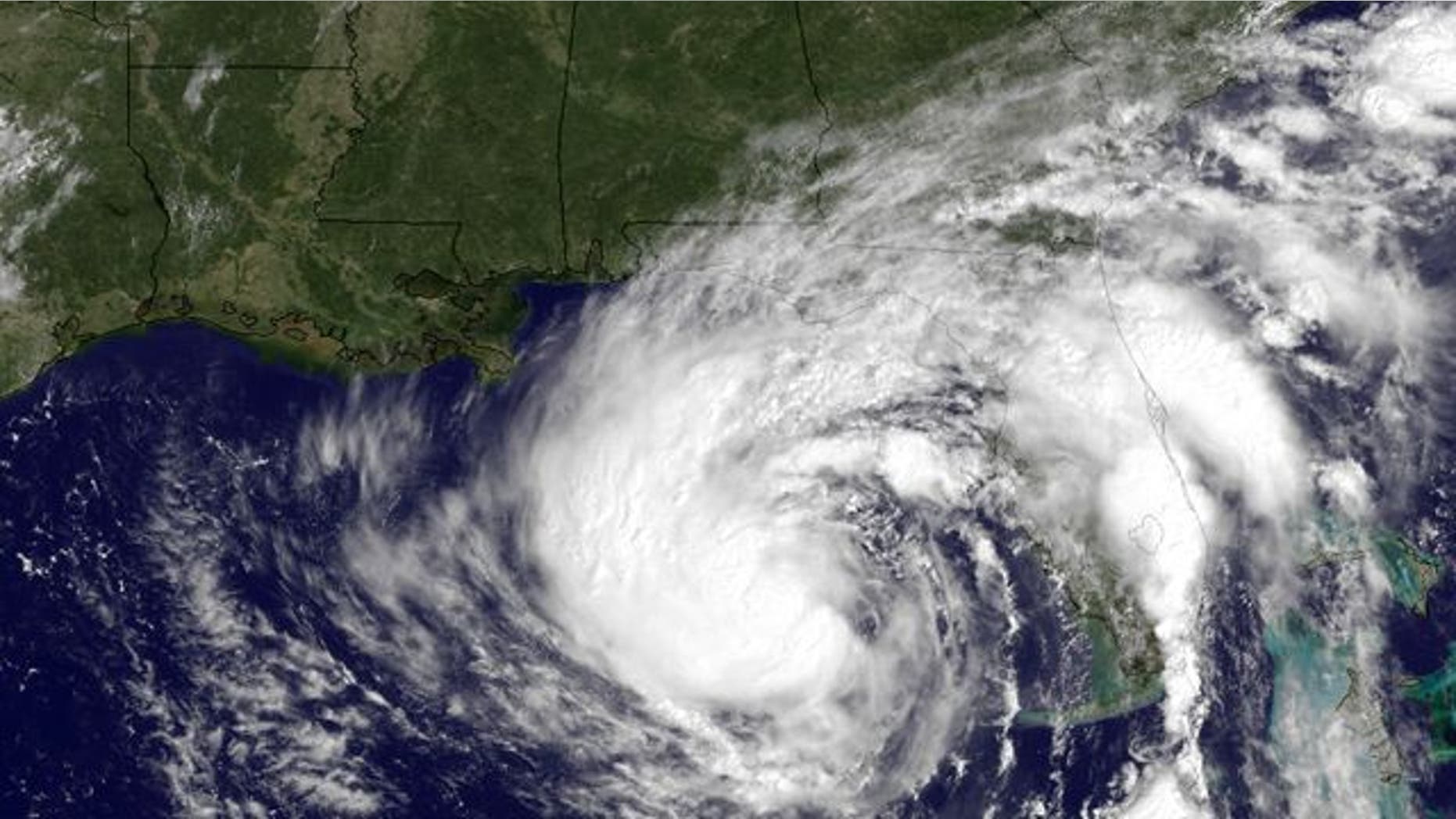
Hurricane season is here, lasting from June 1st to November 30th. After an active hurricane season last year, AccuWeather forecasters are predicting that this year will bring just a slightly above-normal season.
“This year, we think that there will be a few less tropical storms and lower numbers in hurricanes, but again, the old saying is ‘it only takes one,’” AccuWeather Atlantic Hurricane Expert Dan Kottlowski said. "The climate pattern has the capability to produce several very strong storms; people should not let their guard down.”
According to the American Meteorological Society, the United States is one of the countries that faces the most extreme weather events. A prediction of 12-14 storms are expected to hit the Atlantic Coast. That is a lot of wind, water, and debris that could be headed straight to your facility.
It is often the case that when a hurricane strikes and everyone else is moving to higher ground, facilities managers head the other way, planning when they can return and assess the damage. Putting a safety plan in place beforehand is crucial but taking post-hurricane safety precautions is equally as important. This will ensure that the property is ready for a safe re-entry when the time is right.
Listed below are some post-hurricane safety measures you should be aware of when inspecting your buildings and what it takes to give the “all clear.”
Step One: The Physical Assessment
As you approach your building, be aware of storm debris. Never drive through flood water; debris could be concealed under the surface. If water contacts your skin, it is important to wash it with soap and clean water, as floodwater is often contaminated with sewage and chemicals.
Also, note the debris that might have accumulated. Be on the lookout for fallen power lines or trees, standing water, and damage to retaining walls or fencing. Never enter floodwaters or flood-damaged buildings before disconnecting all electrical power to the building. Be aware of whether your building has more than one electrical service.
Inspect your building’s structure, taking extensive notes and pictures of any damage for insurance purposes. Chuck Taylor, from Englewood Construction, a company that offers emergency commercial facility maintenance and repair services says, “If damage to your facility is significant enough to make an insurance claim, it is important to have your insurance company come out to document the damage before making any repairs. It is certainly fine to take immediate steps to stabilize and secure a commercial property in the aftermath of a storm” such as boarding up broken windows or dealing with urgent safety concerns, but “the insurance company will need the opportunity to do its own assessment in order to process a claim.”
Consider what resources or technicians will be needed to do the necessary repair work. Start the scheduling process for repairs as soon as possible, as these people will most likely be inundated with requests.

Step Two: Practical Concerns
It’s practical to assume that bacteria-laden waters may have contaminated the building’s water system. Depending on the damage, you may need to repair or replace pipes before you open the building's main water shutoff valve.
Prepare for power outages. If you’re using a generator, make sure to operate it only outside and at a good distance away from windows and doors. Remember that a wet environment in buildings can increase the hazards of electrical shock due to saturated materials and components. Use only extension cords that are rated for wet environments and that are supplied by ground-fault circuit interrupter (GFCI) protected circuits or outlets. Make plans to return any equipment that you moved to higher ground before the storm hits.
The CDC recommends equipment such as hard hats, goggles, face masks, gloves, and waterproof boots for the cleanup process. You can find all these necessary safety items at Best. If mold is present, it might be necessary to halt the cleanup and consult a professional disaster cleaning or mold remediation service. Also, be on the lookout for wildlife such as bugs, rodents, or snakes that took shelter in your building if the hurricane disturbed their normal habitat.
Step Three: Over-Communication
Once you have developed a plan to address any issues the hurricane left you with, the next step is to give everyone involved an update. It is extremely vital to communicate during all phases of a hurricane. The average duration of a hurricane lasts nine days and is most destructive during its first 12 hours onshore. Keeping organized communication throughout will help reduce losses and improve safety outcomes.
Leadership. Make sure to keep all leadership informed of all damage and potential insurance claims. If there are issues that will heavily impact the company, you need to communicate this as soon as possible.
Employees. Keeping the entire company informed of the damage and expected return timeline is very important. The company will want to return to normal business hours as soon as possible, so you should ensure that you make expectations very clear.
Partners. The hurricane will likely affect vendors, suppliers, service providers, and others. They will also need to be informed of how the hurricane has impacted your building.
Whatever method you choose to stay connected, make sure you over-communicate during this time. Though the storm has passed, the chaos it has caused will continue. Staying connected is important to a successful post-hurricane strategy.
Other things to consider
As the floodwater recedes, every facilities manager will face a vast list of added concerns regarding post-hurricane precautions. Here are some other things to consider during that time.
- Remember electronic locks or access doors may not work
- Check your carbon monoxide detectors
- Be alert for gas leaks once the gas company restores your services
- Keep accurate records of any expenses incurred during the repairs
Evident in previous hurricane seasons, storms can continuously affect people’s lives, safety, work, health, transportation, and business operations. Last threat zone, hurricanes can still impact your business.
Take time to make plans for a hurricane and its aftermath. The destruction from these powerful storms demands planning and a smart response. Taking the appropriate post-hurricane safety precautions will help get your business back to 100%, saving you time and money.